How to Avoid Scams When Scheduling Roof Replacement in Succasunna, NJ
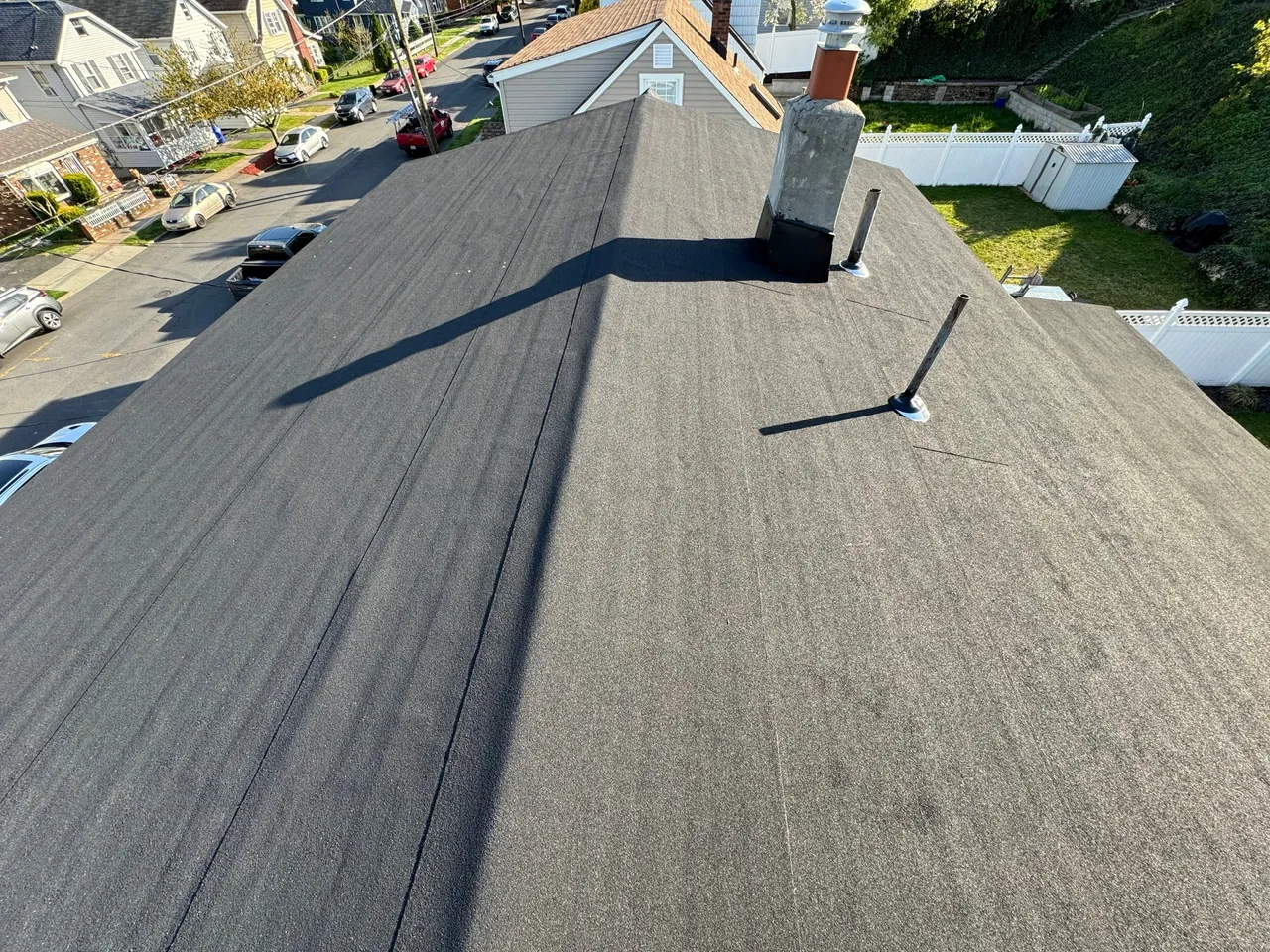

A roof replacement is one of the larger checks most homeowners in Succasunna will ever write for the house. That fact attracts honest professionals, and it also attracts opportunists. The scam usually does not begin with an obvious lie. It starts with urgency, vague language, a handshake that feels a little too fast, or a price Roof Replacement Succasunna, NJ Royalty Exteriors that seems almost unbelievable compared to everyone else.
In Morris County, roofing work has a few conditions that make homeowners especially vulnerable. Storm damage can create panic. Older homes can hide layers of rot, ventilation issues, and flashing failures that are difficult to spot from the ground. Insurance claims add paperwork and pressure. And when a roof looks tired from the street, many people assume replacement is simple, so they do not scrutinize the contract the way they would for a kitchen remodel or foundation repair.
That is where trouble starts.
If you are planning a roof replacement in Succasunna, NJ, the safest move is not to become suspicious of everyone. It is to know exactly what a legitimate roofing process looks like, where scams tend to hide, and how to slow the decision down long enough to protect your money and your home.
Why roofing scams work so well
Roofing is easy for a dishonest contractor to manipulate because the homeowner cannot see most of the work up close. A scammer counts on that. They know many people do not climb ladders, do not know what ice and water shield is, cannot identify proper flashing, and may not understand the difference between a full replacement and a cosmetic patch job sold as something bigger.
The pressure increases after heavy wind, hail, or driving rain. A truck shows up in the neighborhood. Someone says they “noticed damage” while working nearby. They offer a discount if you sign today because their crew is already in town. That kind of pitch lands best when a family is worried about leaks spreading into insulation, drywall, or electrical fixtures.
I have seen homeowners get trapped by three factors happening at once. First, a visible roofing issue creates real fear. Second, the contractor speaks with certainty and confidence. Third, the bid is framed as a limited-time opportunity. Under those conditions, people stop asking basic questions they would ask in any other transaction.
That is why the best defense is not technical roofing knowledge. It is process discipline.
The first red flag is almost always pressure
Most reputable roofers understand that replacement decisions involve money, scheduling, color choices, warranty terms, and sometimes financing or insurance. They expect questions. They expect comparisons. They expect you to sleep on it.
Scam contractors do the opposite. They create artificial urgency. They may claim the price is good only until tonight. They may tell you materials are almost gone, even when they are standard shingles available through multiple suppliers. They may imply your roof is unsafe to wait another week without giving specific reasons.
Urgency is not always fake, of course. If a roof is actively leaking around a chimney, valley, or pipe boot, prompt action matters. But even in that scenario, a legitimate contractor can explain the immediate risk in concrete terms. They can say, for example, that exposed decking around a penetration is taking on water, or that a tarp is needed now while the full replacement is scheduled. Specifics are reassuring. Vague alarm is not.
One Succasunna homeowner I spoke with after a wind event had three estimates within two days. Two companies measured the roof, photographed the lifted shingles, discussed ventilation, and emailed proposals. The third knocked on the door, glanced up from the driveway, and demanded a deposit on the spot because “another storm is coming.” That homeowner avoided a bad situation simply by noticing that only one company was trying to rush the signature instead of explaining the work.
Watch how the contractor inspects the roof
A proper inspection tells you a great deal about the company before any contract appears. A careful roofer does not just stare at the shingles and name a price. They look at the full roof system. That includes flashing, valleys, pipe boots, drip edge, decking condition if visible, attic ventilation, intake and exhaust balance, and leak patterns inside the home.
If the contractor never goes beyond a quick glance from the lawn, be careful. Some experienced estimators can identify a lot from ground level and satellite measurements, but a serious replacement proposal should still involve enough detail to justify the scope and cost.
Ask what they saw and why they are recommending replacement instead of repair. Their answer should sound practical, not theatrical. A strong answer might mention granular loss, brittle shingles, repeated patch areas, exposed fasteners, soft decking near eaves, or poor ventilation shortening shingle life. A weak answer relies on broad phrases like “it’s bad” or “this whole thing is shot” without supporting details.
Good roofers also document their findings. Photos matter. They protect both sides. When a contractor can show damaged flashing around a chimney or staining on roof decking in the attic, you are no longer buying based on personality alone.
The contract should be specific enough to prevent arguments
The most expensive problems often start in the smallest sentence, or the sentence that is missing. Roofing scams thrive in vague agreements. If the paperwork says only “replace roof,” you leave the door open to substituted materials, surprise fees, and shortcuts hidden under shingles you will never see again.
A credible roofing contract should identify the materials and the work in plain language. You do not need legal jargon. You need specifics. That means manufacturer and product line when possible, whether old shingles are being torn off or roofed over, what underlayment will be used, whether ice and water protection is included in vulnerable areas, what happens if damaged decking is found, how debris will be handled, and what warranties are provided by both manufacturer and installer.
It should also make clear what is not included. That is just as important. For example, if chimney masonry repairs, gutter replacement, or interior water damage repairs are outside the roofing scope, the contract should say so. Honest exclusions prevent later disputes.
Here are five details worth checking before you sign:
- The full scope of tear-off and replacement, including underlayment and flashing.
- The payment schedule, especially how much is due up front.
- The process and pricing for unforeseen decking replacement.
- Cleanup responsibilities, including magnetic nail sweeps and dumpster placement.
- Warranty terms for labor and materials, with names rather than vague promises.
If those points are blurry, ask for revisions before any money changes hands. A trustworthy company usually tightens the language without drama. A questionable one often resists, deflects, or says, “Don’t worry, we always take care of that.”
Large deposits deserve extra scrutiny
Roofing companies do have legitimate startup costs. They reserve crew time, order materials, and commit production slots. So a deposit is not automatically suspicious. The problem is scale and timing.
A very large deposit before materials are ordered or scheduled can be a warning sign, especially if the company is new, hard to verify, or unusually eager for cash. Some scams are blunt, collect the money and disappear. Others are slower and more frustrating. They repeatedly delay your job, use your deposit to fund another project, or pressure you into accepting lower-quality work because the budget somehow changed.
The safer path is to compare payment structures across multiple bids. In many cases, the schedule is tied to milestones, such as deposit, material delivery, substantial completion, and final walkthrough. Exact terms vary by company, job size, and financing arrangement, but the reasoning should make sense when explained.
Never let embarrassment stop you from asking where your deposit goes. A professional roofer will answer that question without offense.
Insurance talk is where many homeowners get misled
Storm-related roofing work creates a special category of scams. The worst actors promise they can “handle everything” with your insurer, waive deductibles in questionable ways, or inflate scope to make the numbers work. Homeowners hear that and think they are being helped. In reality, they may be pulled into billing practices they do not fully understand.
A reputable contractor can absolutely assist with documentation. They can meet the adjuster, provide measurements, describe damage, and explain local code-driven items that may affect the claim. That support is normal. What should make you uneasy is any contractor who treats the insurance process like a loophole game.
If someone guarantees claim approval before the carrier inspects, be careful. If they say your out-of-pocket responsibility will disappear through creative paperwork, be more careful. If they insist you sign a broad agreement before you even understand what the insurer is covering, stop.
Insurance restoration has its own rhythm. The estimate may be revised. Supplemental approvals may be needed if damaged decking or hidden components are found. That is not inherently shady. But the paperwork must stay transparent. You should understand what the carrier approved, what the contractor is billing, and what amount remains your responsibility.
Local presence matters more than the sales pitch
When homeowners search for Roof Replacement Succasunna, NJ, they often focus on price first. Price matters, but proximity and accountability matter almost as much. A company with a stable local presence has more at stake in the community. They are easier to reach if a leak appears after installation, if a warranty issue emerges, or if cleanup was not done properly.
That does not mean every out-of-town roofer is a scammer. Good regional companies work across northern New Jersey all the time. The question is whether they have a real operational footprint and a track record you can verify. A magnetic truck sign and a temporary cell number do not count as roots.
Ask where their office is, how long they have served the area, and whether they can provide recent local references. Then actually check. A short call with a previous customer can tell you more than a polished website. Listen for details in the reference’s answer. “They showed up when promised, protected the landscaping, sent photos, and fixed one small punch-list item quickly” is much more useful than “Yeah, they were fine.”
A low bid can be more expensive than a fair one
Everyone wants a competitive price. That is normal. The issue is not looking for value. The issue is assuming the cheapest proposal covers the same work as the others.
Roofing estimates can differ for valid reasons. Product line, ventilation improvements, flashing replacement, dump fees, labor quality, insurance burden, and warranty coverage all affect price. A lower quote sometimes reflects efficiency. It can also reflect missing components the homeowner does not notice until years later.
I have reviewed estimates where one company included complete flashing replacement and ice protection in vulnerable areas, while another quietly excluded both. On paper, the cheaper number looked attractive. In practice, it was pricing a different roof.
That is why side-by-side comparison matters. Read beyond the total. Ask each bidder what they are replacing and what they are reusing. Reused flashing is not always wrong, but it should be discussed, not hidden. Ventilation upgrades may add cost, but poor attic airflow can shorten shingle life and trap moisture. Decking replacement should have a defined per-sheet charge if rotten wood is discovered. None of this is glamorous, yet this is exactly where the real value of a roofing contract lives.
Permits, licensing, and paperwork should not feel mysterious
A scammer often tries to keep the transaction informal because formality creates a record. A legitimate company does not fear paperwork. They expect it.
Ask whether permits are required for your specific roof replacement and who will pull them. Local requirements can vary by municipality and job scope, so the safest answer is one grounded in current local practice, not guesswork. If a contractor waves off permitting as unnecessary without explanation, that deserves a second opinion.
Similarly, ask about insurance coverage. General liability and workers’ compensation are standard protections worth confirming. If a roofer becomes evasive when asked for proof, do not rationalize it away. Roofing is physically risky work. You want that risk properly covered.
Here is a simple screening checklist you can use during estimate conversations:
- Can you provide a written proposal with materials, scope, and exclusions?
- Are you insured, and can you show current documentation?
- Will you pull any required permits and handle inspections if needed?
- Can you give recent references for roof replacement work near Succasunna?
- How do you handle decking damage or other hidden conditions discovered during tear-off?
These are not aggressive questions. They are homeowner basics. Strong contractors answer them every week.
Door-to-door storm chasers still operate, and they still cause damage
After a noticeable weather event, some neighborhoods fill with sudden roofing activity. A few of those companies are legitimate responders helping homeowners who truly need service. Others are storm chasers who follow bad weather, close fast deals, complete inconsistent work, and vanish before callbacks begin.
The pattern is familiar. They canvas aggressively. They imply widespread damage whether or not it exists. They lean hard on insurance language. Their paperwork is thin. Their warranty support is difficult to access once the truck leaves town.
Succasunna homeowners can protect themselves by resisting same-day commitments after storm solicitations. Let the contractor inspect, yes. Let them provide photos, yes. But compare that with an estimate from a company you found independently. Scam prevention often comes down to separating the emergency feeling from the actual decision.
If water is entering the home, authorize temporary protection first. A tarp, emergency patch, or moisture mitigation step can buy you time to evaluate the replacement properly. You do not need to solve the entire project during the first knock on the door.
Roof Replacement Succasunna, NJCommunication style tells you what the project will feel like
One of the most underrated scam indicators is poor communication before the job even starts. If the company cannot return a call, answer direct questions, explain schedule timing, or send revised documents clearly during the sales phase, things rarely improve once your deposit is paid.
Professional communication does not mean fancy branding. It means clarity. You know who your contact person is. You know whether material lead times affect scheduling. You know what weather delays look like. You know who to call if a concern comes up during installation.
Pay attention to how the company handles small friction points. If you ask for a change in shingle color or want clarification on vent replacement, do they respond with patience and specifics, or with annoyance and pressure? Roofing projects are messy by nature. You want a contractor who reduces confusion, not one who amplifies it.
It is fine to slow the job down by a few days
Homeowners sometimes worry that asking too many questions will cost them their place on the schedule. Good companies may have busy calendars, but serious contractors do not punish reasonable due diligence. In fact, the more organized the customer is at the start, the smoother the project usually runs.
A short pause to verify references, compare scope, and read the contract carefully can save months of aggravation. Most scams rely on speed. They want the emotional yes before the logical review begins. Once you understand that, you stop feeling guilty about taking time.
That pause also helps you assess your own priorities. Do you care most about premium shingle lines, stronger labor warranty coverage, faster scheduling, better site protection, or a specific ventilation correction? Once you know your priorities, vague sales language loses its power.
What a trustworthy roof replacement process usually looks like
A reliable roofing experience is not mysterious. The company inspects carefully, documents what they found, explains whether repair or replacement makes more sense, and sends a written proposal that identifies the scope. They discuss schedule, payment terms, and possible hidden conditions such as bad decking. If insurance is involved, they help document facts without making reckless promises. On installation day, the crew protects the property, tears off systematically, addresses approved change items clearly, and cleans up thoroughly. Afterward, the contractor remains reachable.
That process is not flashy, but that is the point. Roofing should feel organized, not theatrical.
For homeowners seeking Roof Replacement Succasunna, NJ, the safest choice is usually not the loudest ad, the lowest bid, or the person who swears they can start tomorrow no matter what. It is the contractor whose paperwork is clean, whose explanations make sense, whose references check out, and whose process remains consistent from first call to final nail sweep.
Scam prevention is rarely about catching one dramatic lie. More often, it is about noticing several smaller signals before they become expensive. Pressure without detail. A thin contract. A huge deposit. Insurance promises that sound too easy. No local trail. No proof. No patience.
A new roof should leave you with a stronger home, not a legal dispute and a leaking ceiling. If you slow down, ask plain questions, and insist on specifics, you put the odds back in your favor.
Royalty Exteriors
151 NJ-10 Suite 103A, Succasunna, NJ 07876, United States
+1 973-333-7234
FAQ About Roof Replacement Succasunna, NJ
What are signs a roof needs replacing?
Widespread shingle deterioration, repeated leaks, or damaged decking can point to a larger problem. A roofer can inspect the roof covering, flashing, and deck to determine whether the damage is localized or whether replacement makes more sense.
How long does it take to reroof a 2000 square foot house?
Royalty Exteriors estimates one to three days for many single-family roof replacements. A house’s floor area does not tell you the actual roof area. Pitch, roof features, weather, and any decking repairs can change the schedule.
How long should a roof last in NJ?
There is no single lifespan for every roof. Material, installation quality, attic ventilation, maintenance, and exposure to storms all affect how long a roof remains serviceable. An inspection can help you assess its condition and plan for replacement.
Ends · DEANTJDV077